Most success stories begin with a result.
This one begins long before the examination hall.
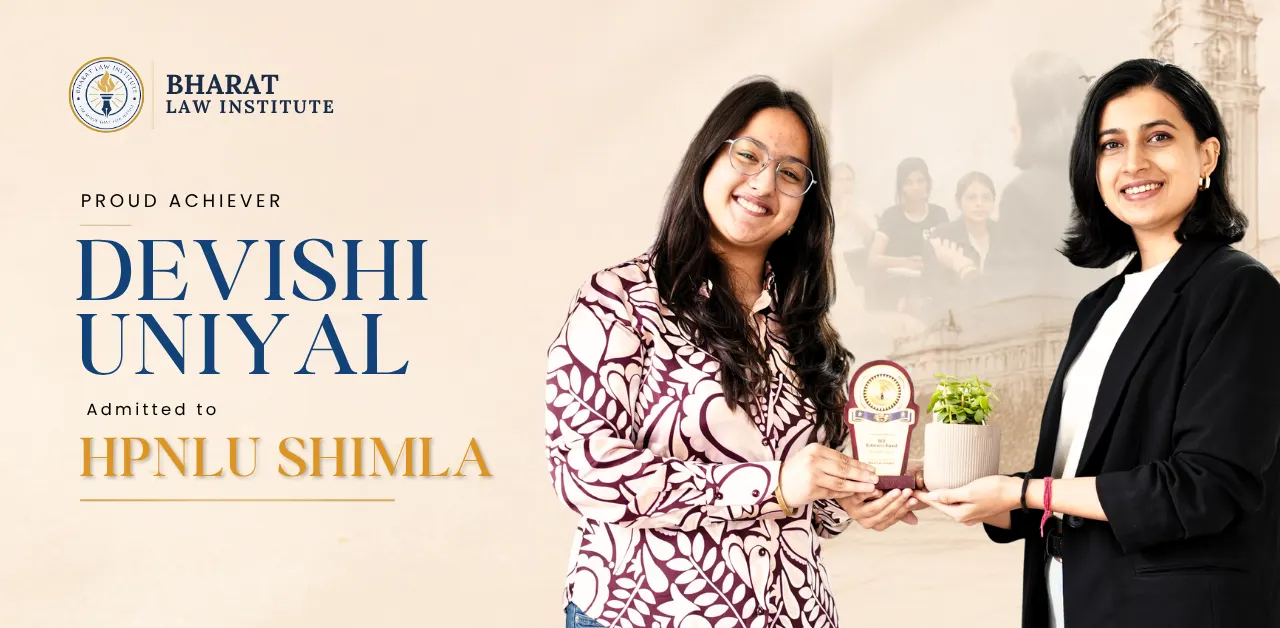
When Devishi Uniyal secured admission to Himachal Pradesh National Law University, Shimla, it was easy to attribute the achievement to months of focused CLAT preparation. That would be true, but it would also be incomplete.
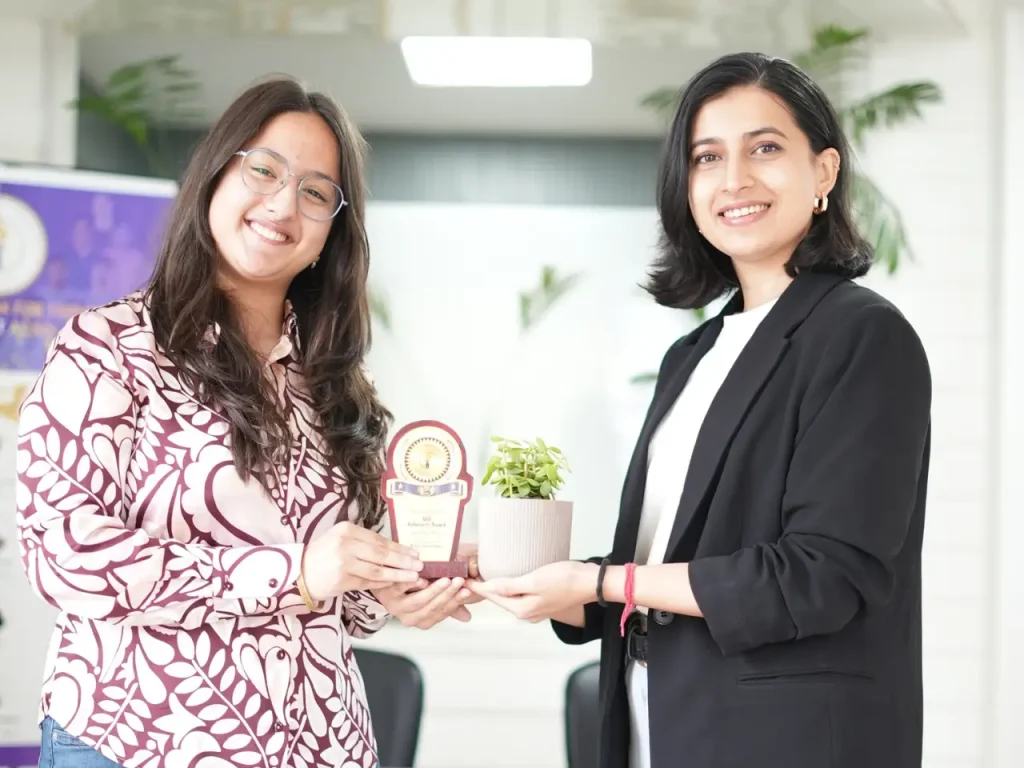
Because by the time she enrolled for CLAT coaching, much of the real preparation had already taken place.
Not in law classrooms.
Not through mock tests.
But in debate halls, rehearsal rooms, dance studios and student leadership meetings where, without realising it, she was developing the habits that legal education quietly demands.
Read through her list of achievements and a pattern begins to emerge.
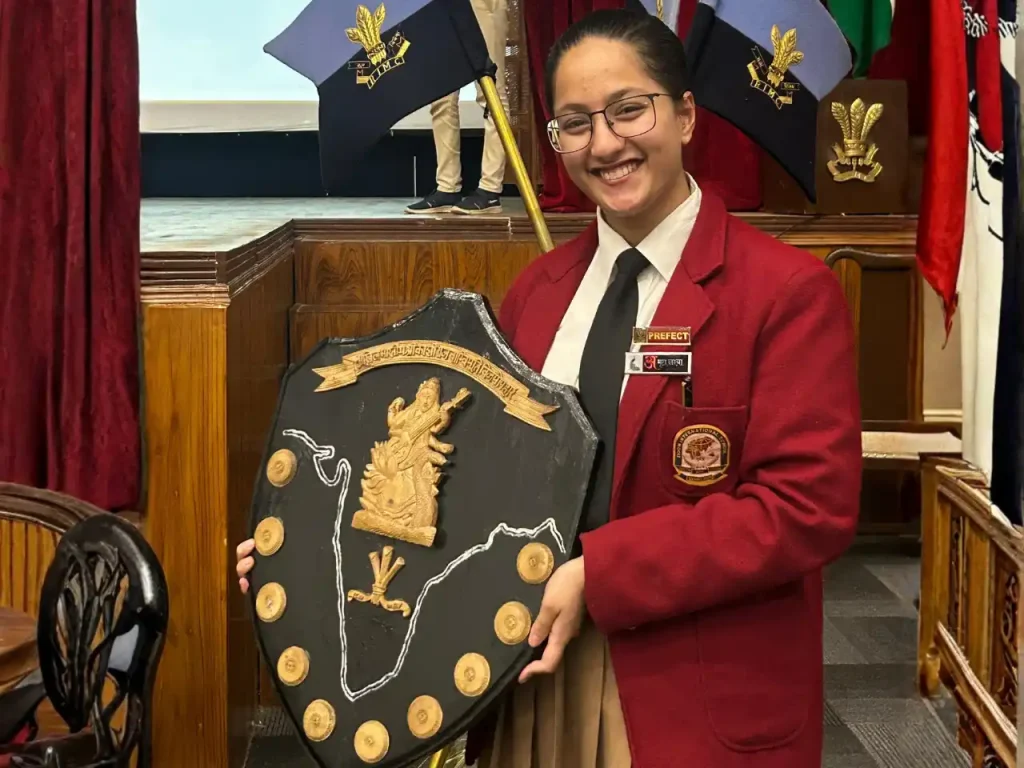
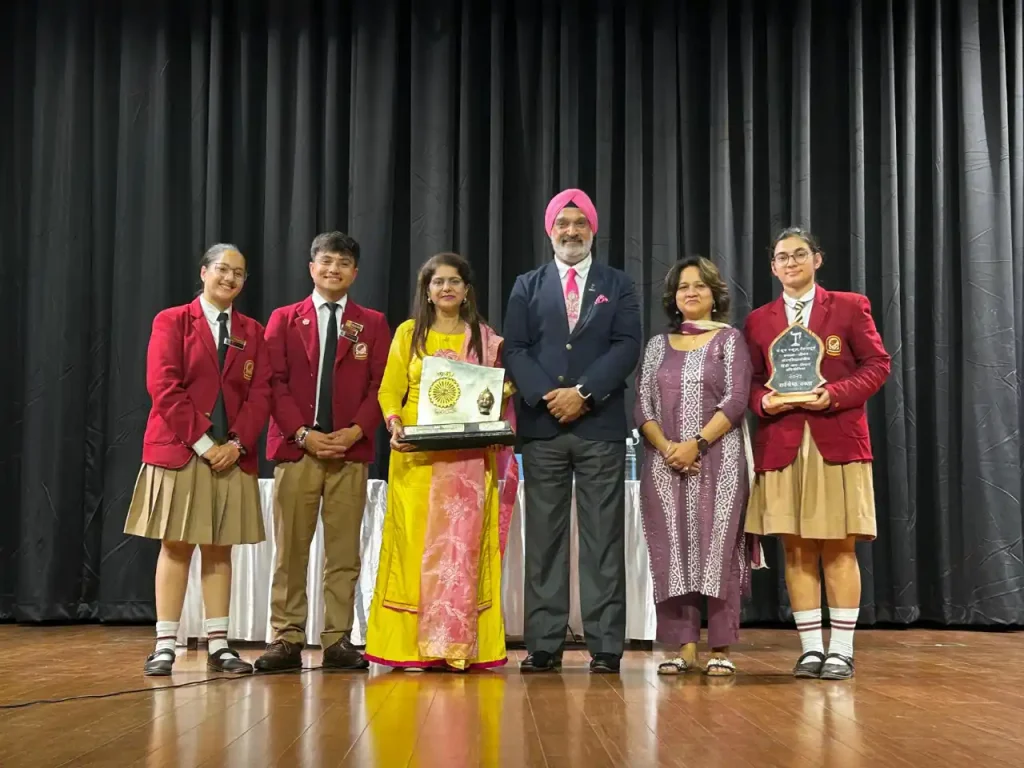
Second Best Speaker in India at the RIMC National Debate 2025. Runners-up finishes at prestigious debate competitions hosted by The Doon School and Wynberg Allen. Winner of a dramatics competition as both scriptwriter and performer. Years of training in Kathak and Bharatanatyam. Participation in Yuva Sansad. Delegate and organiser of Model United Nations. School Prefect.
At first glance, they appear to be unrelated accomplishments.
Look a little closer, and they all point towards the same destination.
Each required discipline.
Each demanded preparation.
Each revolved around understanding ideas, presenting them clearly and standing before people with confidence.
That is, in many ways, the work of a lawyer.
Before the Mock Tests Came the Habits
Competitive debating teaches something that no textbook can.
You learn to listen carefully.
You learn to identify the weakest part of an argument.
You learn that confidence without evidence rarely survives questioning.
These are not merely debating skills. They are habits of legal reasoning.
Model United Nations teaches a different lesson. Participants often defend positions they may not personally agree with. Success depends on research rather than instinct, and evidence rather than opinion. Anyone familiar with the Current Affairs and Legal Reasoning sections of CLAT will recognise how naturally those abilities translate.
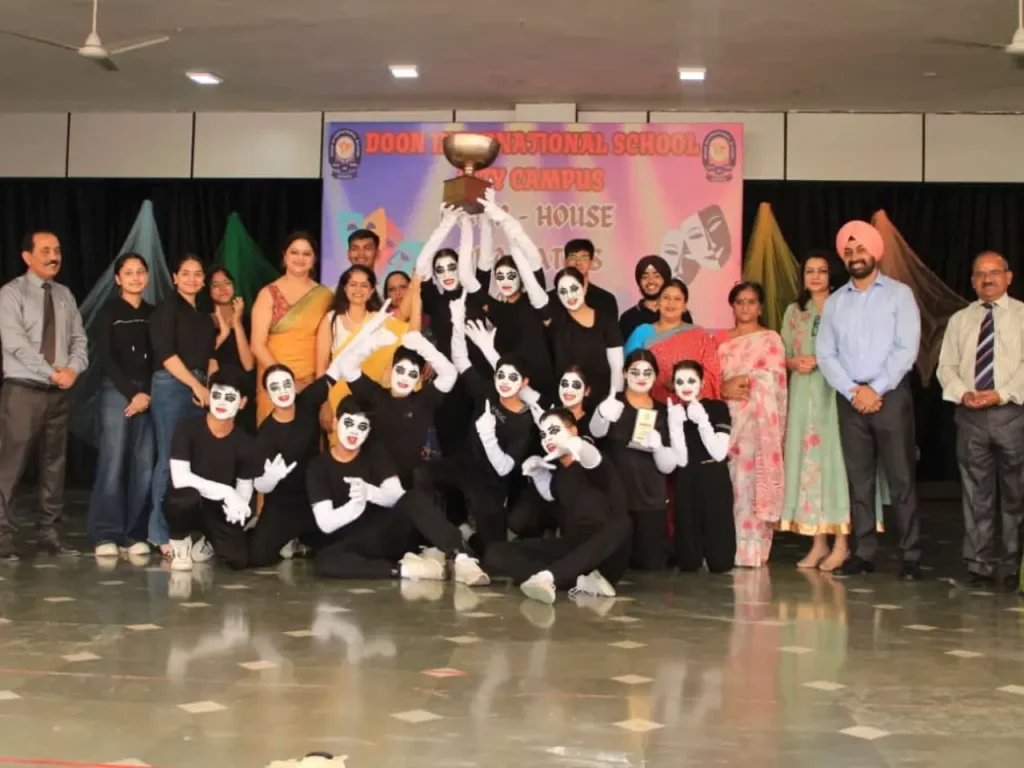
Theatre contributed another layer.
Writing a script is not simply about creativity. It is about structure. An argument has to unfold in the right order if it is to persuade an audience. Law works much the same way.
Then came classical dance.
Kathak and Bharatanatyam reward something modern students often underestimate.
Repetition.
The same movement.
Again.
And again.
And again.
Progress arrives quietly, almost invisibly, until one day the difficult becomes ordinary.
CLAT preparation follows the same rhythm.
Success rarely belongs to the student who studies hardest for one week.
More often, it belongs to the one who returns to the desk every day after the excitement has faded.
That habit had become part of Devishi’s life years before she solved her first legal reasoning passage.
Where Bharat Law Institute Came In
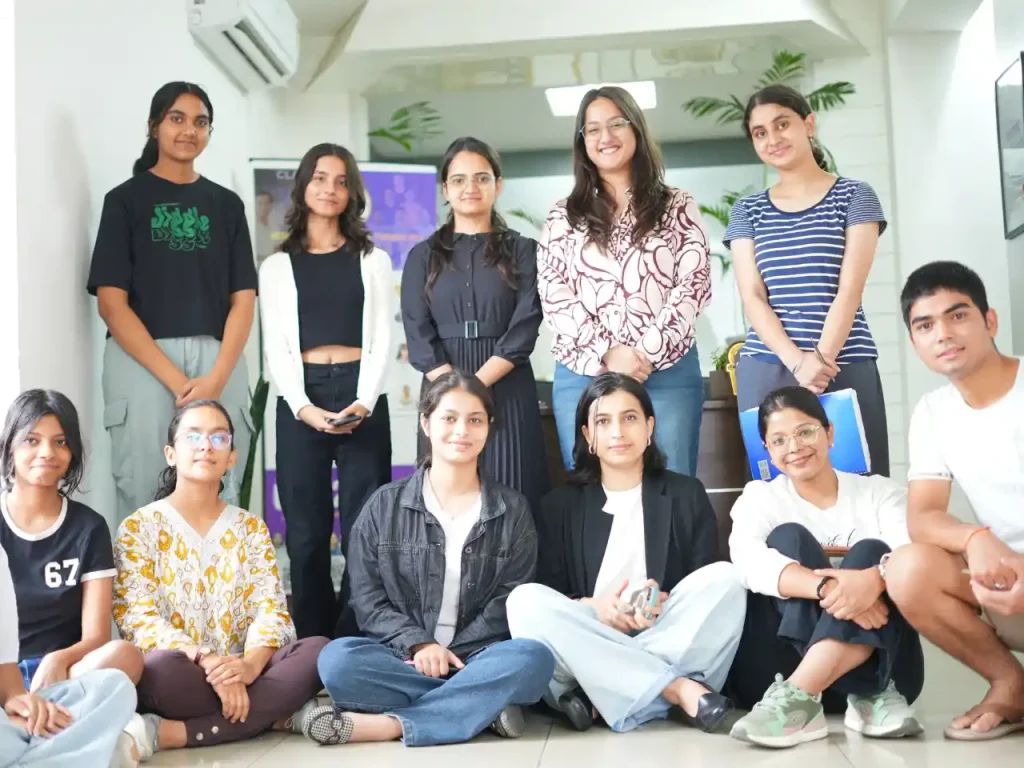
When Devishi joined Bharat Law Institute, the objective was never to build confidence from the beginning.
She already possessed that.
Our responsibility was more precise.
To refine it.
Students with impressive achievements sometimes struggle with correction because they have spent years being praised.
Devishi responded differently.
She listened.
She questioned.
She improved.
After mock tests, she was rarely interested only in the score. She wanted to understand the mistakes that produced it.
Those conversations often mattered more than the marks themselves.
The challenge was not helping her argue better.
Debate had already done that.
The challenge was teaching the discipline of examination writing.
Reading for accuracy rather than for rebuttal.
Managing time rather than chasing perfection.
Accepting an answer key before disagreeing with it.
Learning where instinct helped and where the examination expected restraint.
These are small adjustments.
Together, they make a significant difference.
She approached each one with the same seriousness she had once carried into debate preparation and dance rehearsals.

The Student Others Remember
Academic success is only one part of a student’s story.
The other part is how they make a classroom feel.
Despite balancing school responsibilities, extracurricular commitments and CLAT preparation, Devishi remained approachable and generous with her peers.
Being a School Prefect is a position.
Being someone classmates naturally turn to is something else.
Leadership reveals itself quietly.
Sometimes through responsibility.
Sometimes through reliability.
Sometimes simply by making the people around you feel supported.
Those qualities are difficult to measure in an examination.
They matter enormously in the legal profession.
A Question Every Parent Eventually Asks
Every year, parents arrive with a familiar concern.
“My daughter debates.”
“My son plays competitive sport.”
“She spends hours learning dance.”
“Should they stop everything and focus only on CLAT?”
Devishi’s journey offers an answer that many families find reassuring.
No.
Not necessarily.
Activities such as debating, theatre, Model United Nations, dance and sport are not obstacles to CLAT preparation.
Very often, they strengthen it.
Debating develops analytical thinking and communication.
MUN builds research and awareness of public affairs.
Theatre improves expression.
Dance teaches consistency.
Sport develops resilience.
The question is not whether these activities should continue.
The real question is whether the student has learnt to manage time with discipline.
Busy students often perform remarkably well because preparation has already become part of their identity.
A Beginning, Not a Conclusion
Securing admission to Himachal Pradesh National Law University, Shimla is a significant milestone.
It is also the natural continuation of everything that came before it.
The debates.
The rehearsals.
The scripts.
The leadership responsibilities.
The evenings spent practising until improvement replaced effort.
Each experience prepared her, in its own way, for a profession built upon careful thinking, persuasive communication and disciplined work.
At Bharat Law Institute, we are proud to have contributed to that journey by helping transform those strengths into examination success.
We congratulate Devishi Uniyal on her admission to HPNLU Shimla and wish her every success in the years ahead.
One day, someone will hear her stand in a courtroom and construct an argument with confidence and clarity.
For those who watched her grow through debates, rehearsals, classrooms and countless hours of preparation, it will not feel surprising.
It will simply feel like the next sentence in a story that began many years ago.
Devishi’s journey proves that your background- whether in debating, theatre, classical arts, or leadership -builds the exact habits of legal reasoning that CLAT demands. At Bharat Law Institute, we don’t erase what makes you unique; we refine it into top-rank results. Enroll in BLI’s CLAT Program Today.